The wide-angle lens isn’t just for landscape photography. You can use it to create highly distinctive images in almost any genre.
The wide-angle lens has distinct optical qualities, including distortion, vignetting, and increased depth of field.
This lens group is also excellent at creating the feeling of expanded space in two-dimensional media. That’s why landscape photographers will often use one.
But what about other types of photography? This guide will examine how to use the wide-angle lens artistically.
Here is what you will learn:
- How to manage and use the sense of space created by the lens
- How you can put the depth of field feature to work in ways that make sense
- Utilizing expanded perspective in the foreground
- The benefits of distortion
- Realizing and using tilted verticals within a composition
- The benefits of an occasional vignette
Maximum Depth of Field at Any Given Aperture

Photograph by Kent DuFault
First, we should define the wide-angle lens category. For a full-frame camera, any focal length wider than 45mm is considered a wide-angle lens. Any lens from 24mm up to 45mm is wide-angle. Anything from 24mm down to 16mm is a super wide angle, and anything 15mm or less is an ultra-wide angle.
The 28-30mm lens is considered an APS-C camera’s ‘normal’ lens. ‘Normal’ means that this focal length most closely matches the field of view for human eyesight. Anything less than 28mm would be a wide-angle view. So, 27mm to 16mm is a wide angle of view in this chip format. Anything 15mm or wider is considered a super wide-angle with an APS-C camera.
Creating a Sense of Vast Space
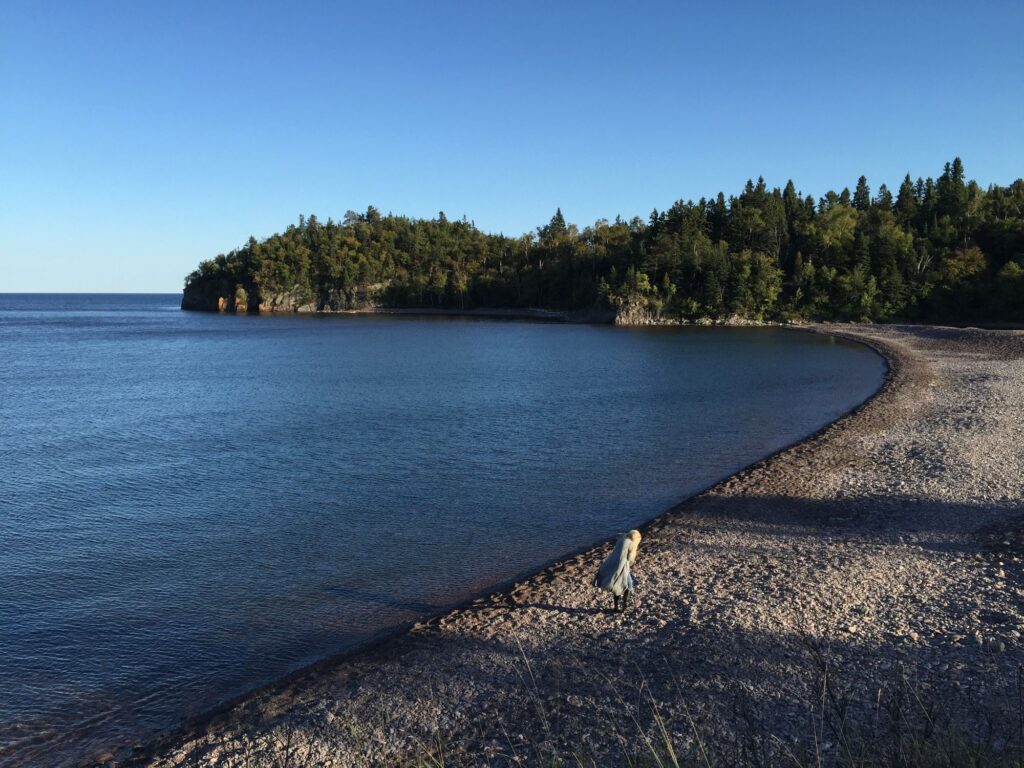
Photography by Kent DuFault
A wide-angle lens creates a sense of distance, so it’s a good choice in landscape photography.
However, that can create a problem with having negative space in your composition that isn’t of value.
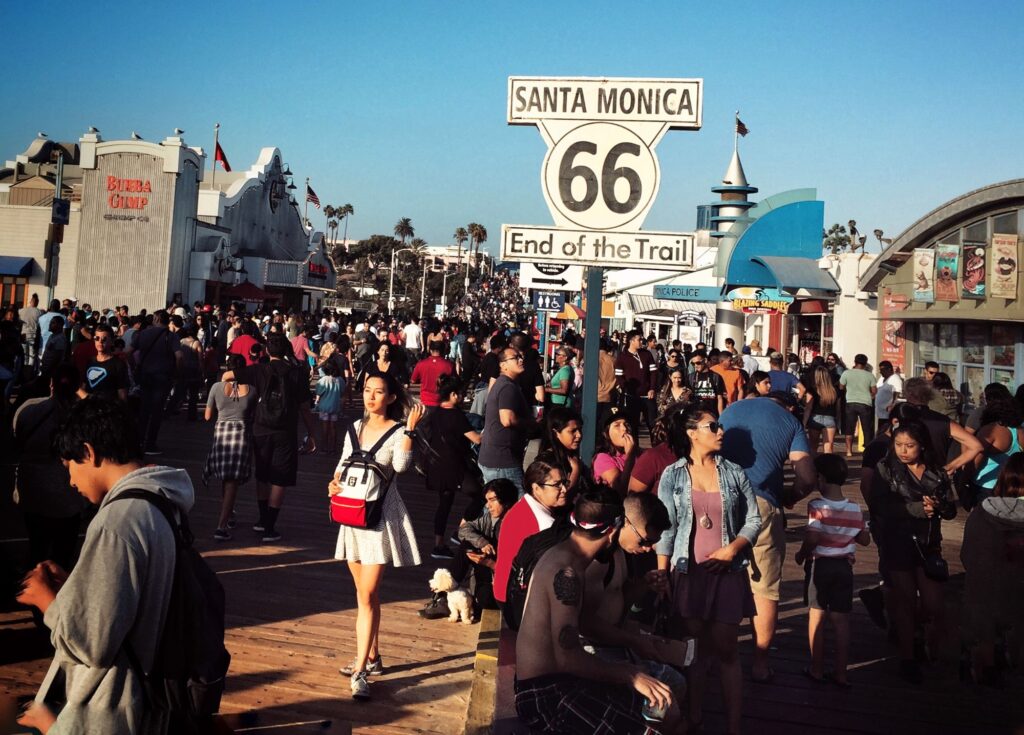
Photograph by Kent DuFault
A wide-angle lens creates a sense of vast space due to an optical characteristic.
Including Foreground Objects
Using a wide-angle lens will force you to consider your compositions carefully. Why? It’s because you will inherently have more objects to deal with.

Photograph by Kent DuFault
The image above is an example of a carefully crafted wide-angle composition.
A typical example of a crafted wide-angle composition would be a foreground object of interest but holding less visual weight than the subject area.
A middle ground usually contains the subject area. This area holds the least distortion.
Using a wide-angle lens will force you to consider your compositions carefully.
Finally, a background area ties the entire image together in story, location, and composition.
The image above is a fantastic example of this type of ‘composition planning’ for a landscape photograph with a wide-angle lens. This shot was created with a 28mm lens at f/11. Notice that the entire image is sharply focused due to the careful placement of the critical focus point.
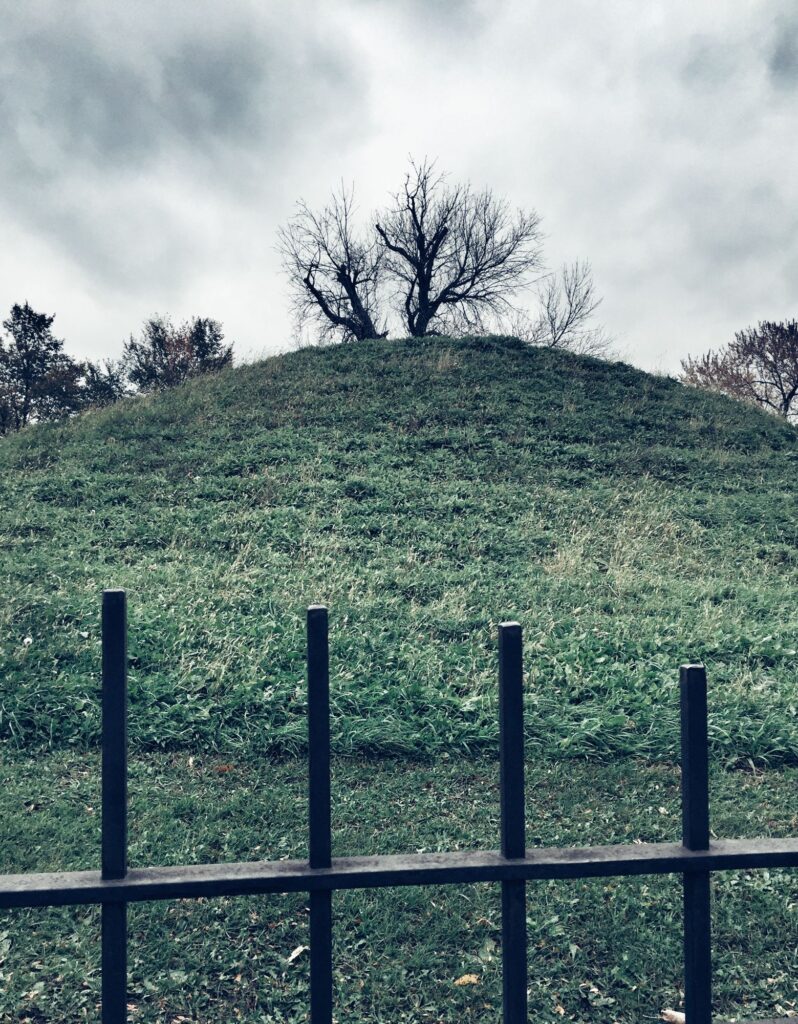
Photograph by Kent DuFault
I like using my wide-angle lenses in a technique that I call ‘Crop to Stop.’ The image above is an example of this technique. The shot was taken with a 28mm lens that included a lot of areas on the left and right that I didn’t want to include, so I cropped the shot to my intended vision and composition.
Why do that instead of merely changing the focal length of my lens? Good question, Grasshopper.
I used ‘Crop to Stop’ because I wanted enough depth of field (DOF) to cover the fence out to the tree, and with a longer lens that would not have been possible.
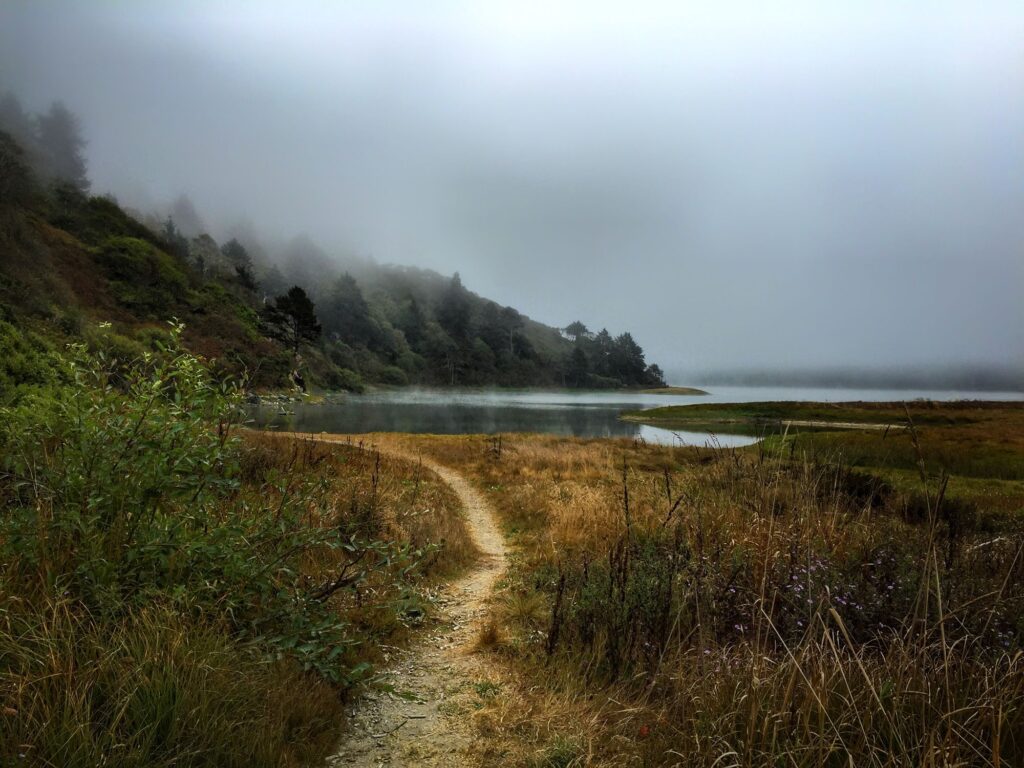
Photograph by Kent DuFault
Wide-angle lenses lend themselves well to the composition technique known as leading lines. They do this due to the distortion effect.
The image above makes use of this idea. It was shot with a 28mm lens. The path is large at the bottom of the frame because it is close to the camera. As the path moves away from the camera, it rapidly diminishes in size, adding to the feeling of depth and space.
Tilted Verticals
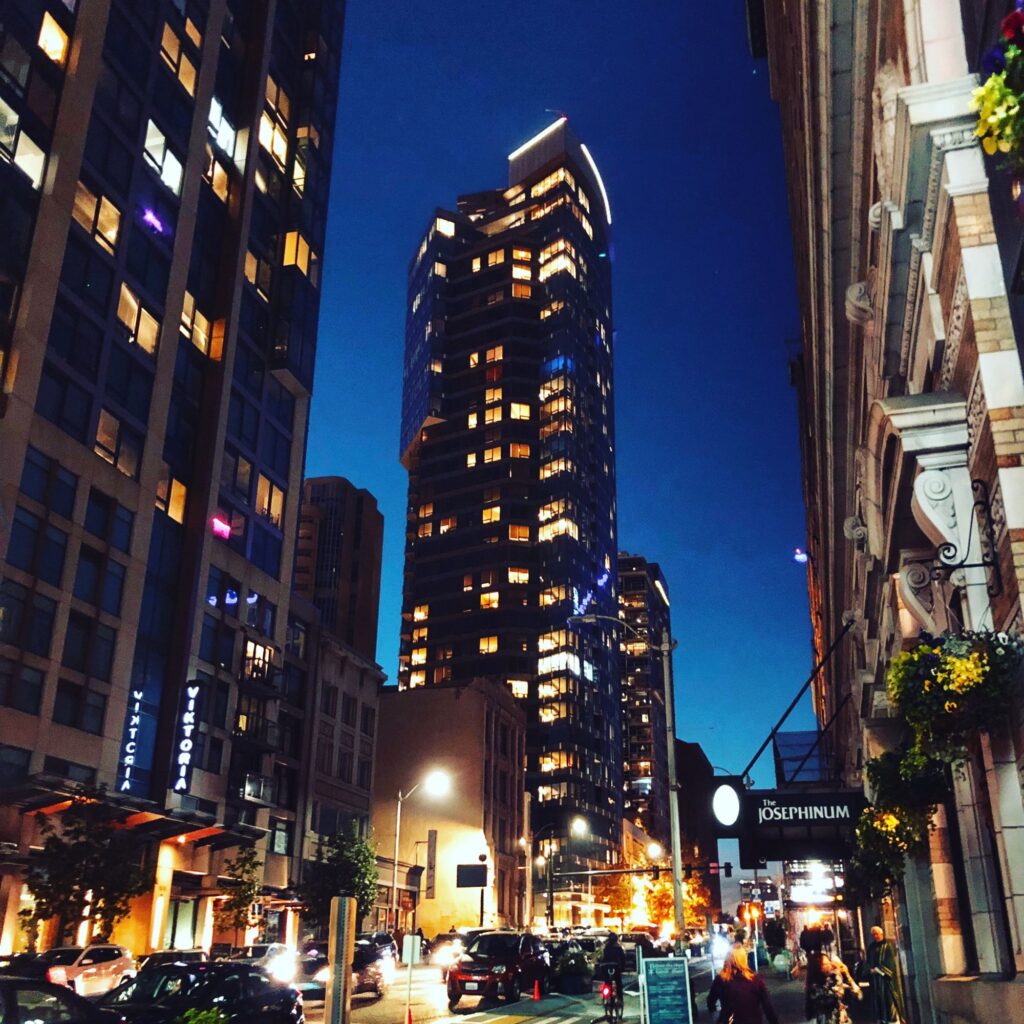
Photograph by Kent DuFault
I like using a wide-angle lens when photographing architecture. Many photographers say, “Oh, you should straighten those vertical lines on those buildings!”
Unless you are shooting for a client, specifically for an architect, there is no reason to straighten the vertical lines (this is my opinion).
Think about this. Let’s say you were standing on the street depicted in the image above, looking up at the buildings around you. Would the vertical lines of the buildings be straight? Of course not! Those lines converge due to geometry and physics. By not straightening the vertical lines of a building, you are presenting the shot closer to what the eye would see. Plus, you have the advantage of creating a more dynamic photo.
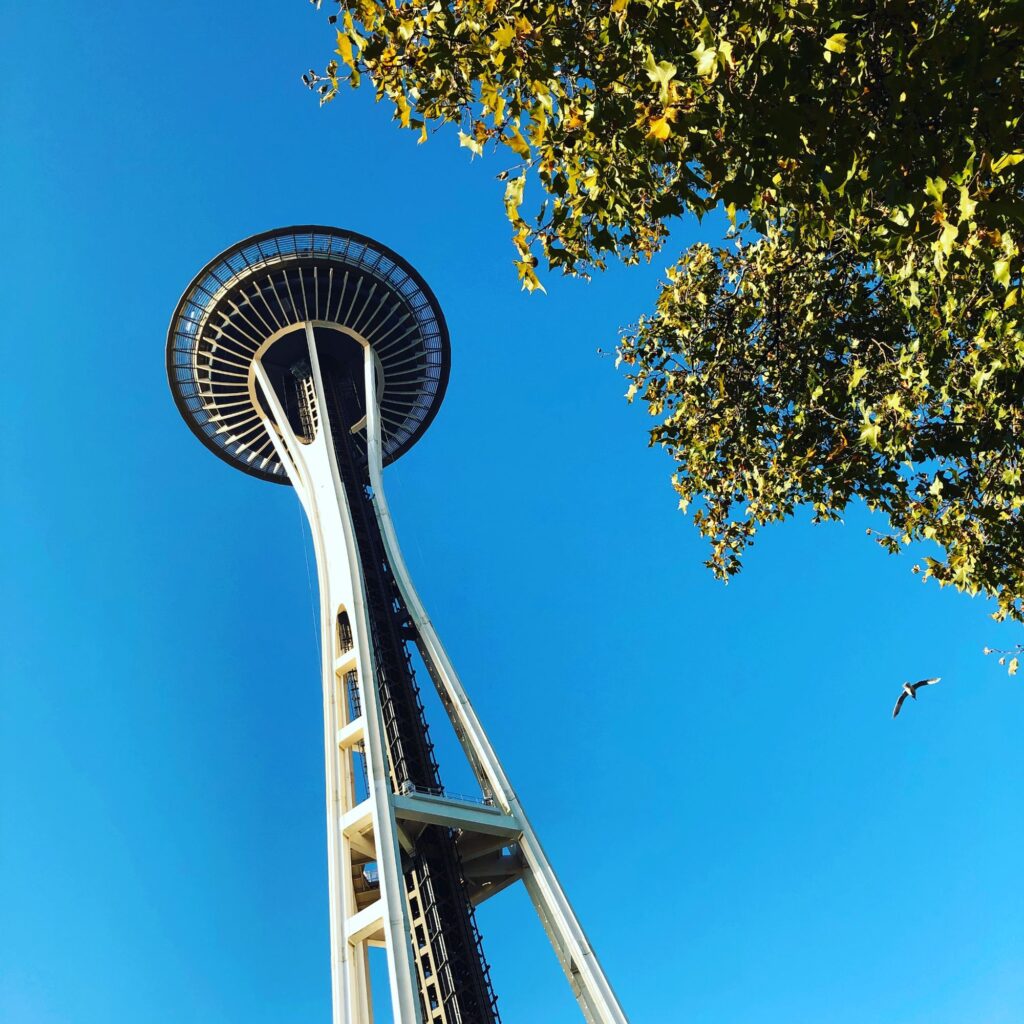
Photograph by Kent DuFault
Two key factors determine how distorted the vertical lines will appear.
The first is the focal length of the lens. The previous image was taken with a 35mm lens. The image above was taken with a 24mm lens.
The second factor is the degree to which you point the camera upward and the angle of the camera body, from left to right. The image on the previous page was shot with the camera slightly tilted upward and held in a vertical orientation. The image above was taken with the camera extremely tilted upward and in a horizontal orientation that was then cropped into almost a square format.
Distortion
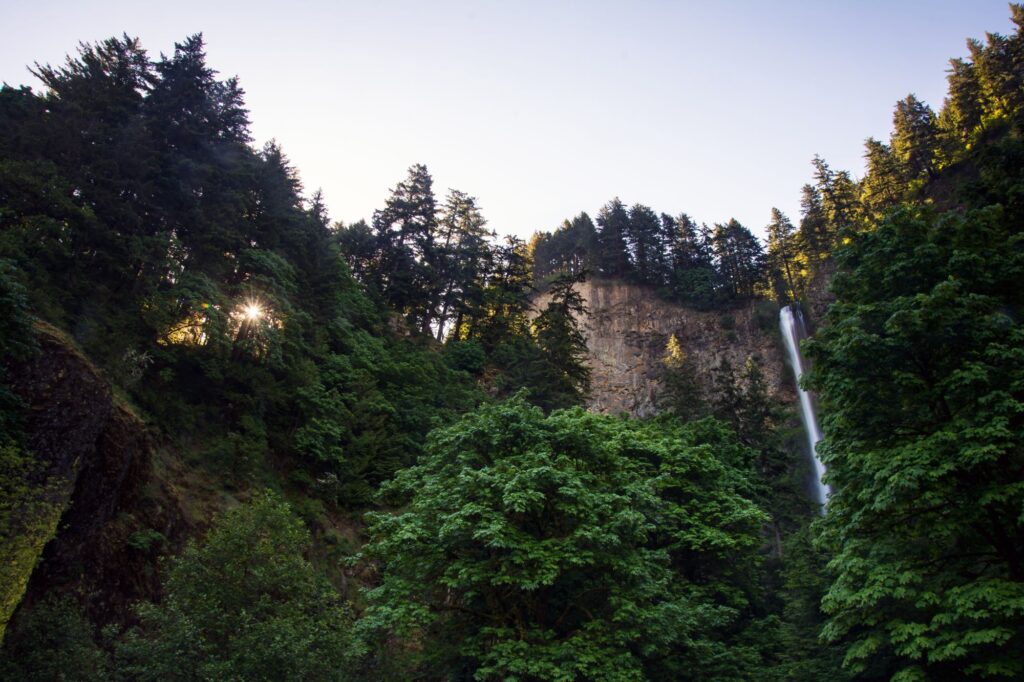
Photograph by Kent DuFault
When I talk to my photography students and other photographers, I’ve noticed that they seem preoccupied with trying to eliminate distortion in their photos.
Unless I’m shooting for a client that demands otherwise, I think distortion is a powerful tool for creating dynamic photos.
The image above would have been possible without a wide-angle lens and an appropriate amount of distortion. This photograph has been highly successful for me, both in getting attention online and selling several times as a stock photograph.
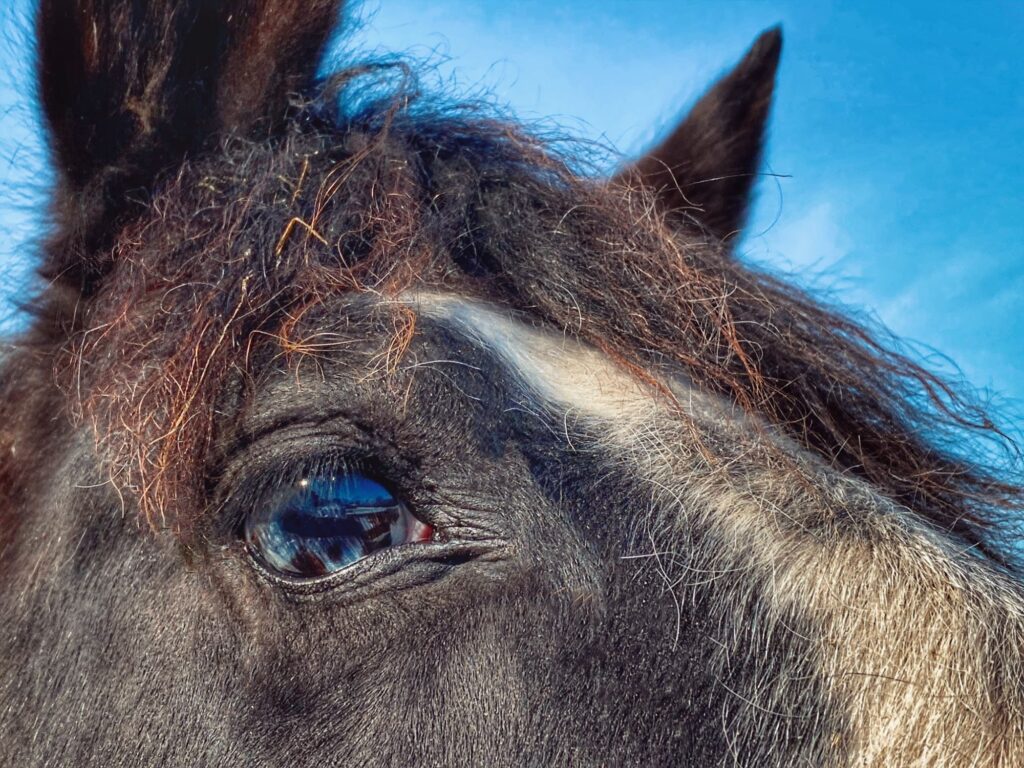
Photograph by Kent DuFault
The distortion of a wide-angle lens can be used to emphasize a particular area of composition. In the case of the image above, I emphasized the horse’s eye.
Vignetting
Wide-angle lenses, especially ultra-wide-angle lenses, tend to produce mild vignetting in the corners of the frame.
Two elements can turn this slight vignetting into more of a problem.
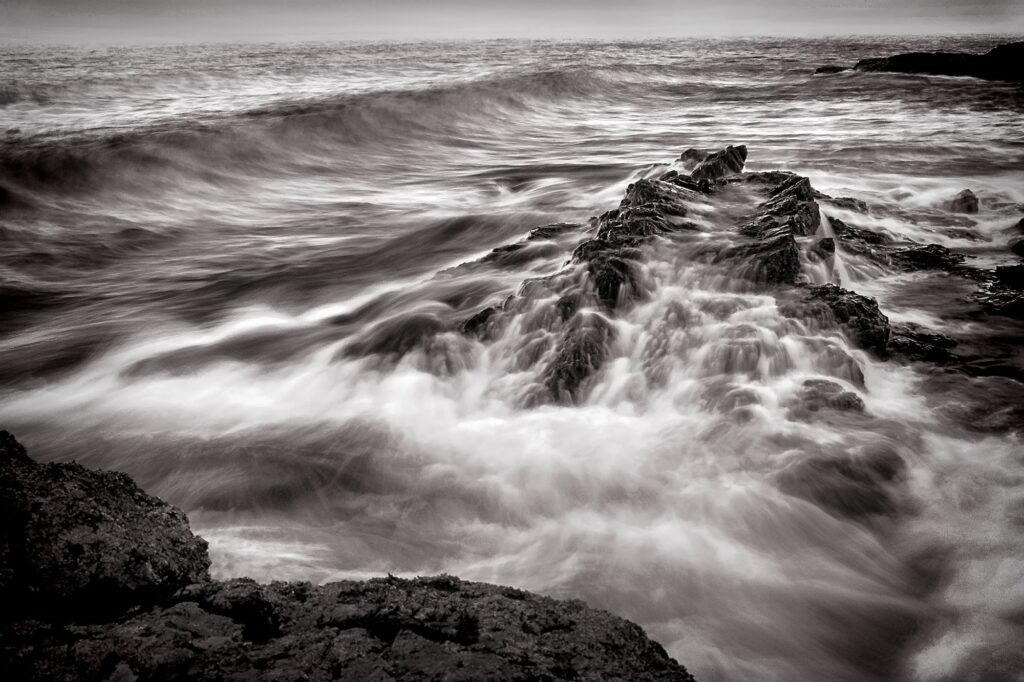
Photograph by Kent DuFault
Stopping down the aperture of a wide-angle lens can produce a more pronounced vignette. Due to the optical qualities of a wide-angle lens that provides maximum DOF at wider apertures, I never stop my wide-angle lens any further than f/8.
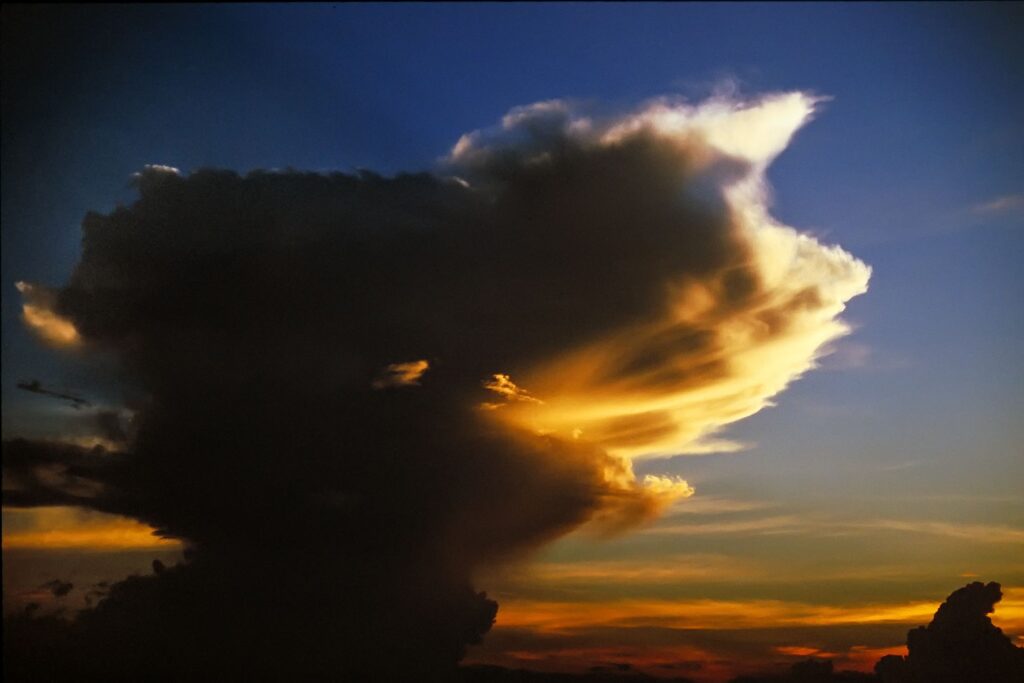
Photograph by Kent DuFault
The second element is the use of a lens shade. Wide-angle lenses sometimes come with a lens shade that, quite frankly, is virtually worthless because it has to be short enough and wide enough to attempt not to create a vignette.
Stopping down the aperture of a wide-angle lens can produce a more pronounced vignette.
It has been my experience that vignetting can still occur even with these custom lens shades or separate lens shades purchased that are rated for a wide-angle lens. If you use a rectangular lens shade, ensure it is lined up parallel to the sensor plane.
In addition, stacking screw-on style filters on the front of a wide-angle lens will almost surely create vignetting. The image above was taken with a 35mm lens and a polarizing filter at f/5.6, and it still created a vignette. Although, a vignette isn’t always bad, and I like the two example photos (the image above and the image on the previous page) even though they both ended up with an unintended vignette.
Conclusion
Wide-angle lenses are a valuable tool for the photographer. They offer the benefits of increased DOF at any given aperture. They are generally close focusing. Using distortion capabilities can create dynamic photographs. Care must be taken to consider the lens focal length, the angle of the camera, the tilt of the camera, and any possible vignette that might occur.
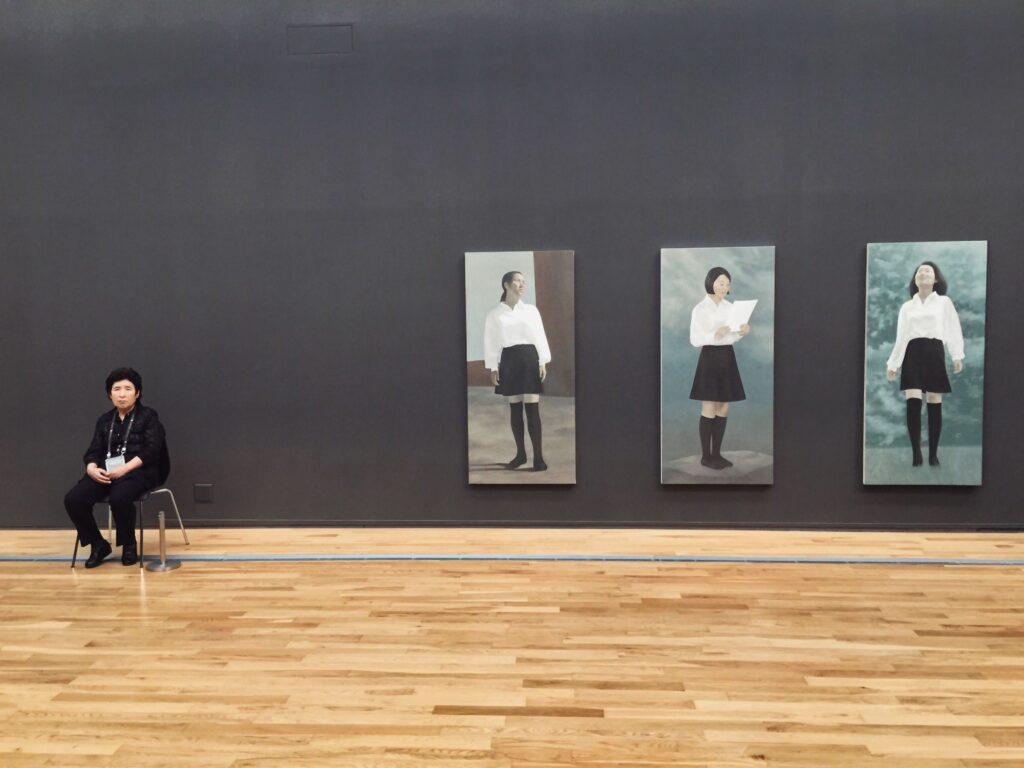
The ‘Crop to Stop’ technique was used for this shot. Photograph by Kent DuFault