
Introduction
Where does one even start with a topic like this? Etiquette means something different to each of us, deeply influenced by our upbringing and life lessons. So, to be fair and objective, let’s start with a definition as supplied by Wikipedia:
“Etiquette is a code of behavior that delineates expectations for social behavior according to contemporary conventional norms within a society, social class, or group.”
Man, that’s deep! Really deep! But since I’d have to consult Mr. Google regarding the meaning of a few of the words in this definition, let’s ask him for a simple meaning of etiquette:
“Etiquette – the customary code of polite behavior in society or among members of a particular profession or group.”
Phew! Thank heavens! That’s more understandable! Let’s dissect the second definition:
“…customary code of polite behavior…”
I do not need to convince anyone that whatever is custom among one group (or person) is not custom among another. Us bird photographers need to keep this in mind as we experience the breaking of ‘our’ rules regarding etiquette, not only by other bird photographers but also by anyone else we interact with during a bird shoot.
If your child is loud at a bird hide, it’s quite easy to quiet him/her down and educate him/her (obviously it’s ideal to do that before he/she enters a bird hide), but what if it’s someone else’s child? This is where tact is needed, quieting them down in a friendly manner. Use the opportunity to educate them on why it is necessary to be quiet around a bird hide (and perhaps point them to the always present sign demanding silence around the hide).
“…among members of a particular profession or group.”
To use the bird hide example again, it’s quite possible that you find yourself surrounded by a visiting school/old age home/other type of group. In general, they would use common sense, but if needed, a simple “shhhhhhh” with a down-gesture by hand or a finger in front of your lips should do the trick. The worst-case scenario is that you’ll have to be patient and wait it out. They will be gone in a few minutes!
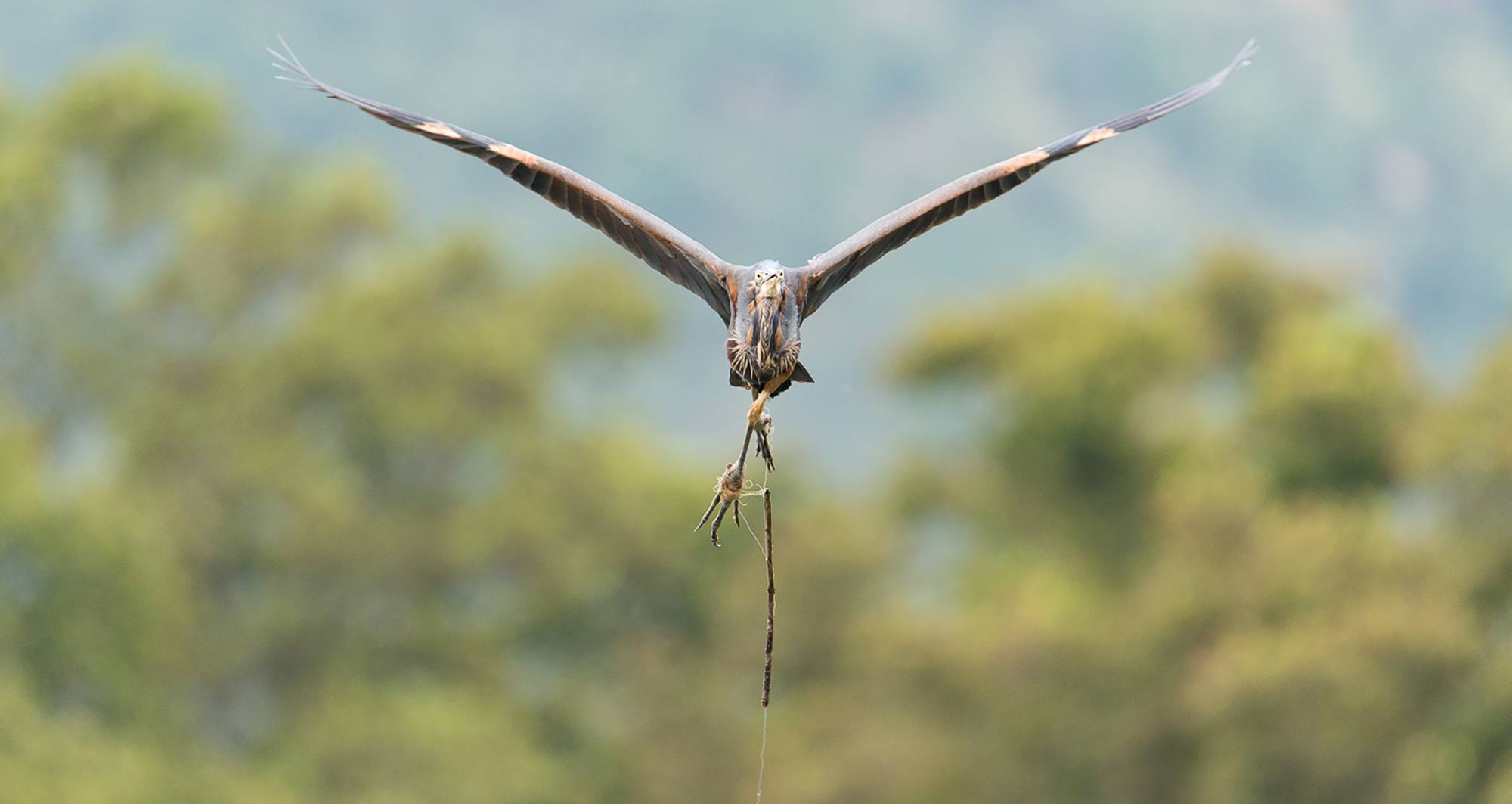
Nikon D600 + Tamron 160-600 G2 @ 600mm | f/6.3 | 1/1250s | 640 ISO | Hand-held. Tobie Schalkwyk
Our Image as Bird Photographers
I strongly believe that it is important for us bird photographers to be perceived as a polite, knowledgeable breed of people, not as spoil sports but as people to look up to and respect, not only among ourselves but also among others. How do we achieve this?
Be Friendly
I know. It’s not necessary for me to remind you of this. But sometimes in the excitement of seeing or chasing a special bird, it’s easy to forget!
Be Patient
If someone walks into your viewfinder at the exact moment when something interesting is happening, just ask them to move away in a friendly manner or, if feasible, wait for them to move away. I remember photographing a kingfisher with fish in its mouth – the result of patiently waiting for about 30 minutes. I knew it would take a dive at some stage, so I waited and waited.
Just as the kingfisher (with fish) perched on a rock right in front of me about 10 steps away, an elderly woman lazily passed by in front of my camera, totally unaware of the scene playing out so close to her. The kingfisher obviously got spooked by her presence, and by the time she had moved out of my field of view it had flown away with its prey, swallowing it down about 100 steps away.
My blood was boiling! To make it worse, this was a Collared Kingfisher – very rarely seen in this particular area! What could I do? I simply gulped down my frustration and walked off, looking for my next photo opportunity.
Be Approachable
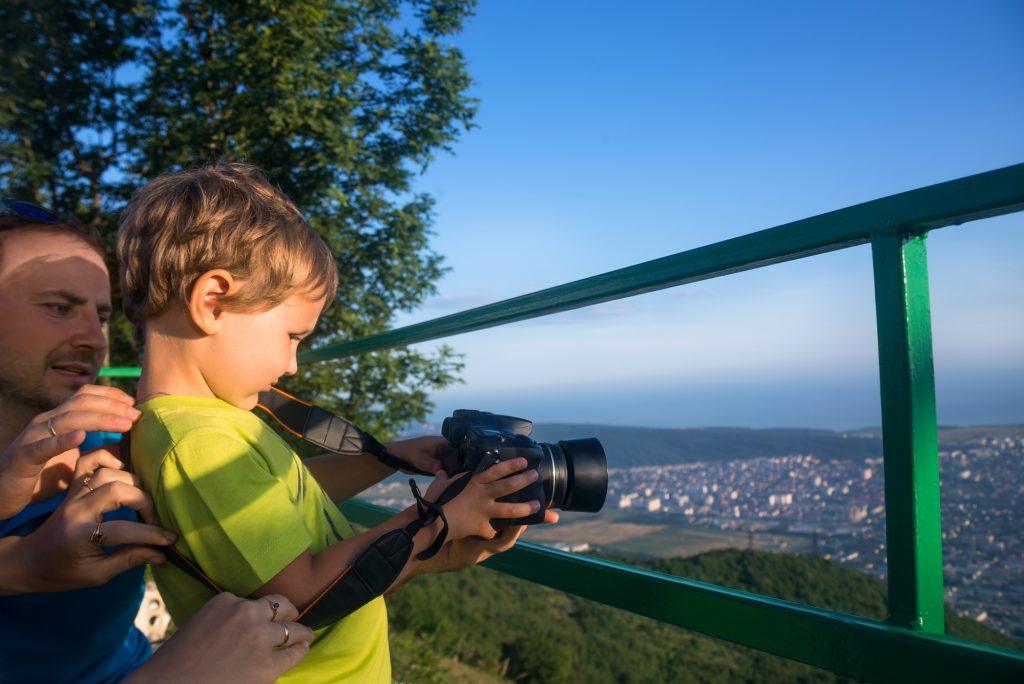
I make a point of being approachable. It’s so easy to achieve just by being friendly and showing an interest in what others see or discuss. If they see a bird and do not know what it is, why not tell them? Then while you’re at it, tell them one or two interesting facts about it.
I make a point of being approachable. It’s so easy to achieve just by being friendly and showing an interest in what others see or discuss.
I recall having seen a cuckoo feed another in an act of courtship. Some visitors to the park believed it to be a mom feeding her chick. I could literally see their mouths drop when I told them they were cuckoos and that they do not feed their chicks. They lay their eggs in other birds’ nests and their chicks are thus foster parented! I’m sure they would never look at bird photographers in the same way again – we earned some respect!
Be Helpful
I know, it’s easy to quickly answer a question when asked by an ignorant person. But how about going the extra mile? If they really seem keen and you have a bird guide (or binoculars) with you, why not hand it to them so they can learn more about this particular bird?
A favorite thing of mine is to tell people where they can see bird parents feeding some chicks, or any other interesting event. That has prerequisites and limitations, though, as I’ll explain later.
Etiquette at a Bird Hide
I’d like to discuss this topic on its own as this is where lots of bird photographers regularly spend hours of their time. It’s convenient; it protects them against the elements; it’s built to attract birds; and, last but not least, it provides rest for the soul.
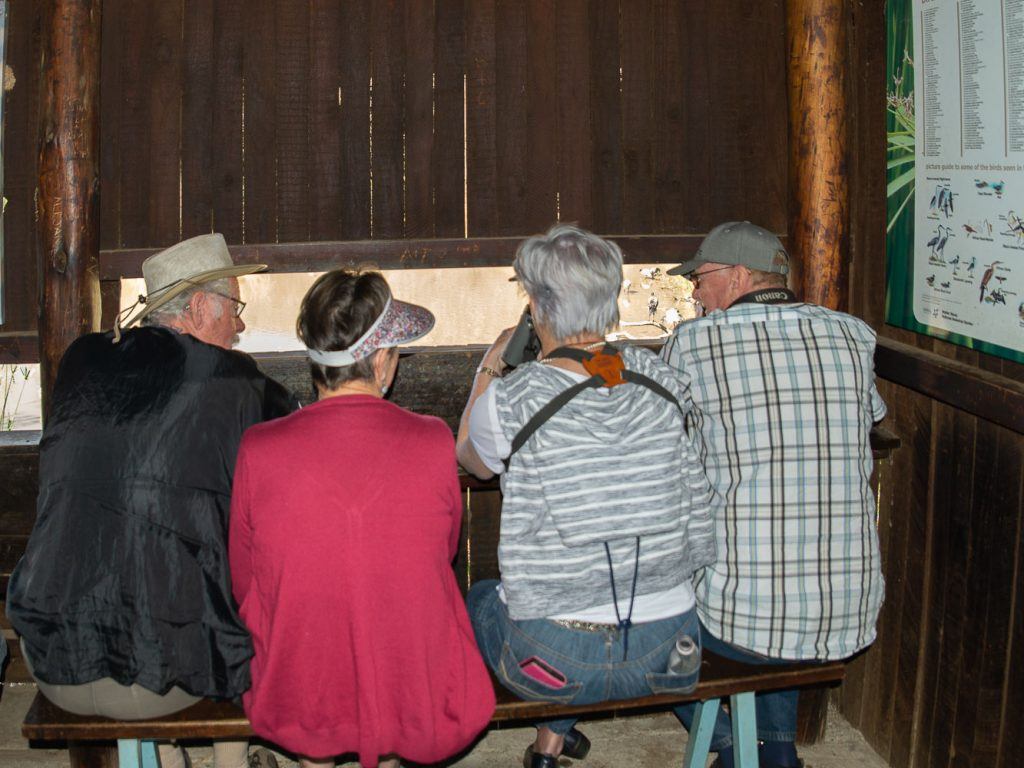
Nikon D600 + Tamron 24-70 @ 24mm f/5 | 1/200s | 500 ISO | On-camera flash. Tobie Schalkwyk
Be Quiet
Quite a bit of this has been covered in the introduction, but in this case I’d like to address the bird photographers specifically. I am sometimes amazed at how inconsiderate bird photographers at a bird hide are toward their co-hobbyists.
The problem is that bird photographers always have interesting subjects and/or experiences to share. It’s like fishermen: one’s bird was always bigger and more interesting than the other’s (wink-wink)! This is where they lose control as they share images on their cell phones or on the LCD screens of their cameras.
Folks, a bird hide is a quiet place. A cormorant may pop up out of the water at any time – or a very rare bird might perch right in front of you, just to be scared away by a noisy conversation. If you really have to discuss something and it’s hard to keep your voice down, how about leaving the hide and have a ‘normal’ conversation at a bench nearby?
Remember, even non-stop whispering for 30 minutes or more can be extremely irritating to other users of the bird hide. After all, if you enter a hide then it’s for a reason. Keep that in mind as you spend time there and show some respect to other users of the hide.
Be Considerate as You Enter a Hide
If you forget everything else I’ve discussed in this article, then just file this one way in your memory bank.
Most bird hides have hand-placed perches (usually empty branches) just a few steps from the hide. These are extremely popular as their close distance to the hide implies beautiful soft bokeh in the background.
Sometimes when entering a hide, you have not focused on the task at hand yet. You greet a few people on the benches and try to find a place to settle down. The last thing on your mind is the possibility of a bird perched beautifully just a few steps from you – and then you unintentionally chase it away.
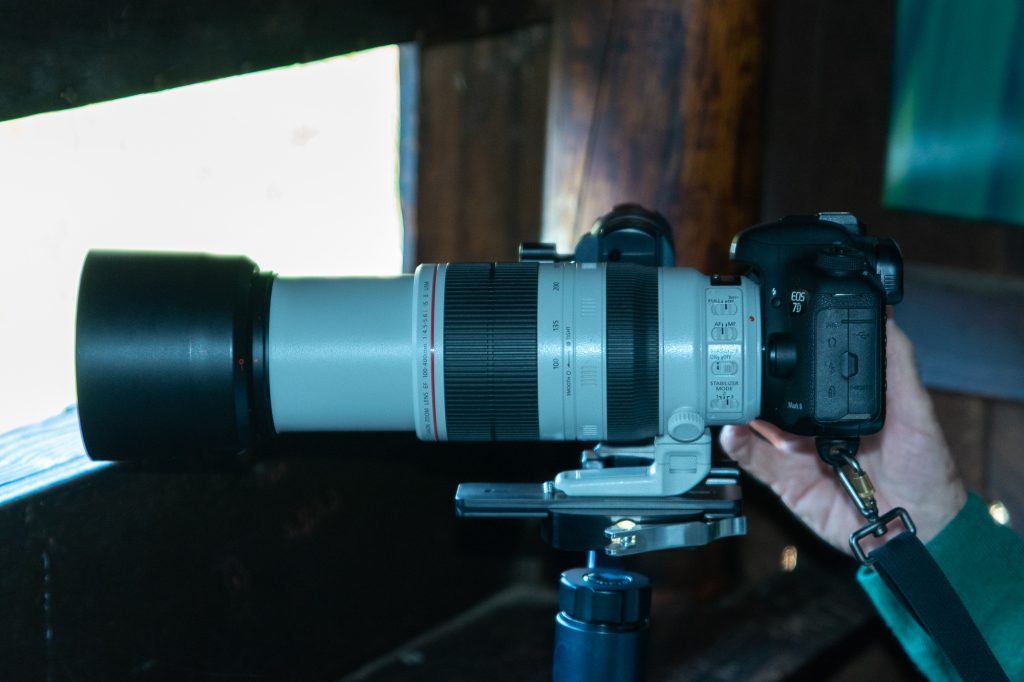
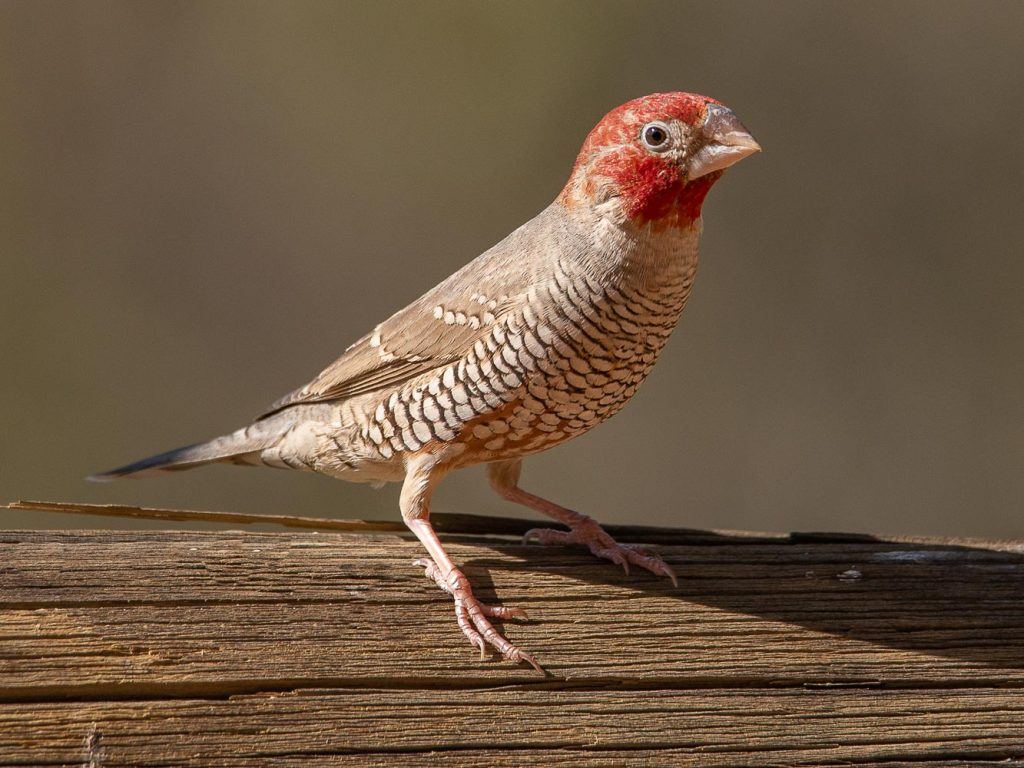
Nikon D600 + Tamron 24-70 @ 105mm | f/2.8 | 1/100s | 1600 ISO | On-camera flash. Tobie Schalkwyk
A few tips when entering a hide:
- Stop just before entering.
- Remove your camera bag from your back.
- Remove any other gear you’re going to remove anyway once you sit down.
- Silence your cell phone. You may leave it on vibrate, but if someone calls, please do not answer – leave the hide and return the call from a distance. Or simply message them.
- Stop at the entrance to the hide. Have a look at people already in the hide. Are they focusing their cameras or binoculars on anything? If so, then take caution!
- If there’s no-one else in the hide, then the chances of a bird perched right in front of the hide are even greater – take caution!
- Bend over just enough to peep through the viewer holes to see if birds are nearby. If so, then wait for everyone who is already busy photographing it to finish. Only then move in very slowly, put down your hand-held bags and unneeded gear as soon as possible and at a place of convenience. Then take your place on the bench. Hopefully you have done it in such a manner that you can also get in a few admirable shots of birds nearby.
- Give everyone around you a soft ‘hi!’ or hand wave.
After settling down:
- Do not leave unused gear on the viewers’ bench unless there’s ample extra space available for others.
When ready to leave:
- Before getting up, look around. If someone is busy photographing a bird only a few steps away, hang in there. Let them finish.
- Remove any garbage that came with you (sometimes you have a drink or snack in the hide) or even garbage that someone else left there.
- Pack quietly.
- Whisper a soft ‘cheers!’ to everyone else attending, or a hand wave if they’re looking at you.
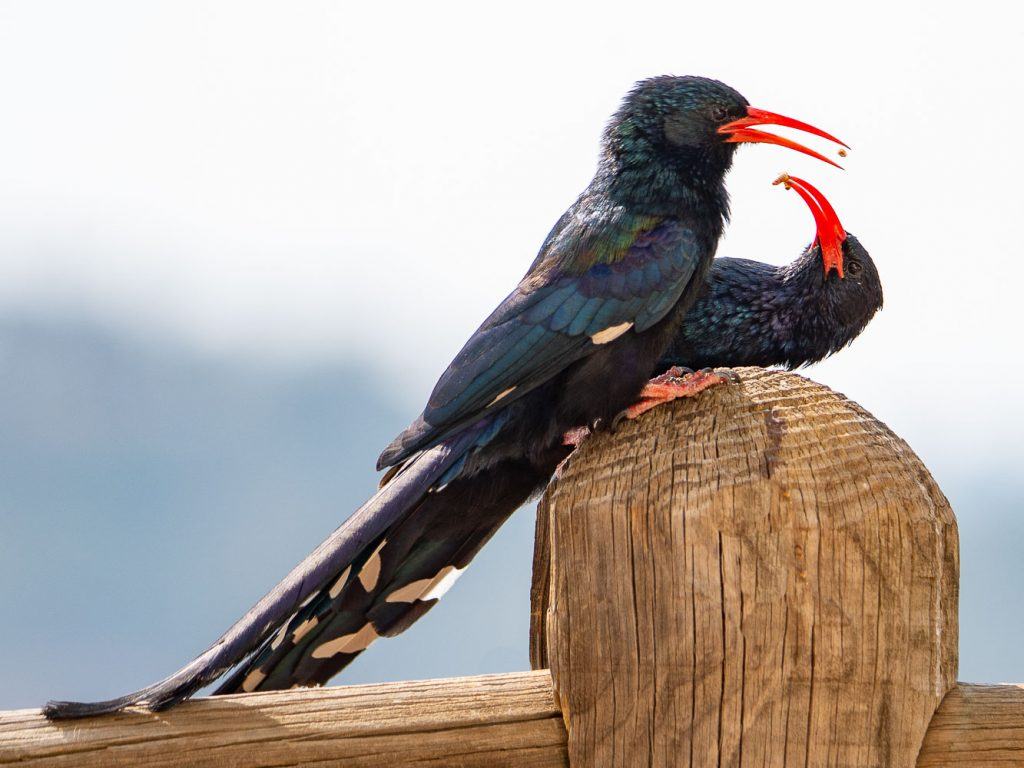
Nikon D600 + Tamron 150-600 G2 @ 340mm | f/6 | 1/800s | 320 ISO | Hand-held. Tobie Schalkwyk
Be Considerate to Birds
Birds are our best friends, right? They occupy a very special place in our minds and hearts. Here are just a few thoughts about treating them with respect:
- Do not use digital bird calls close to a bird’s nest with chicks or eggs, regardless of the species of the bird being called. It may cause the parents to abandon the nest, or at least cause them to panic.
- If you know that the broadcasting of this particular bird species’ nest is going to cause a stampede of photographers, then keep it a secret. I have one or two bird species on my special protection list, such as paradise flycatchers feeding chicks. I simply do not tell anyone where to find them even if I post images of them on social media.
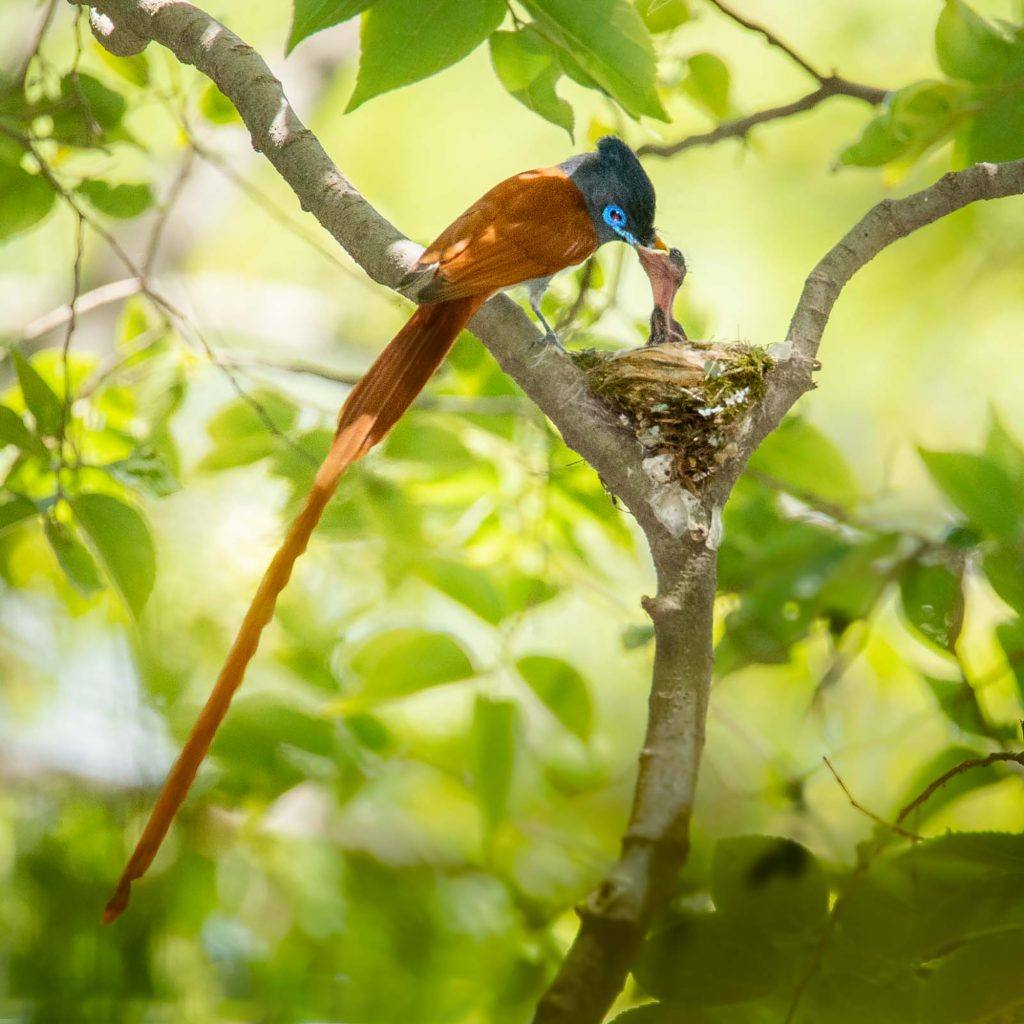
Nikon D600 + Tamron 150-600 G2 @ 600mm | f/6.3 | 1/800s | 800 ISO | Tripod | 600W strobe 10m from birds at full strength. Tobie Schalkwyk
- Keep your distance from nests. Most nesting bird species would feel threatened when visited regularly by a bunch of curious photographers. Photograph them from a distance, and if you need to add artificial light, use a strong light source. I have photographed lots of nesting birds in darkish areas with the help of my 600W studio strobe light (including the image above).
A Special Word to Our Anglers and Aquatic Bird Photographers
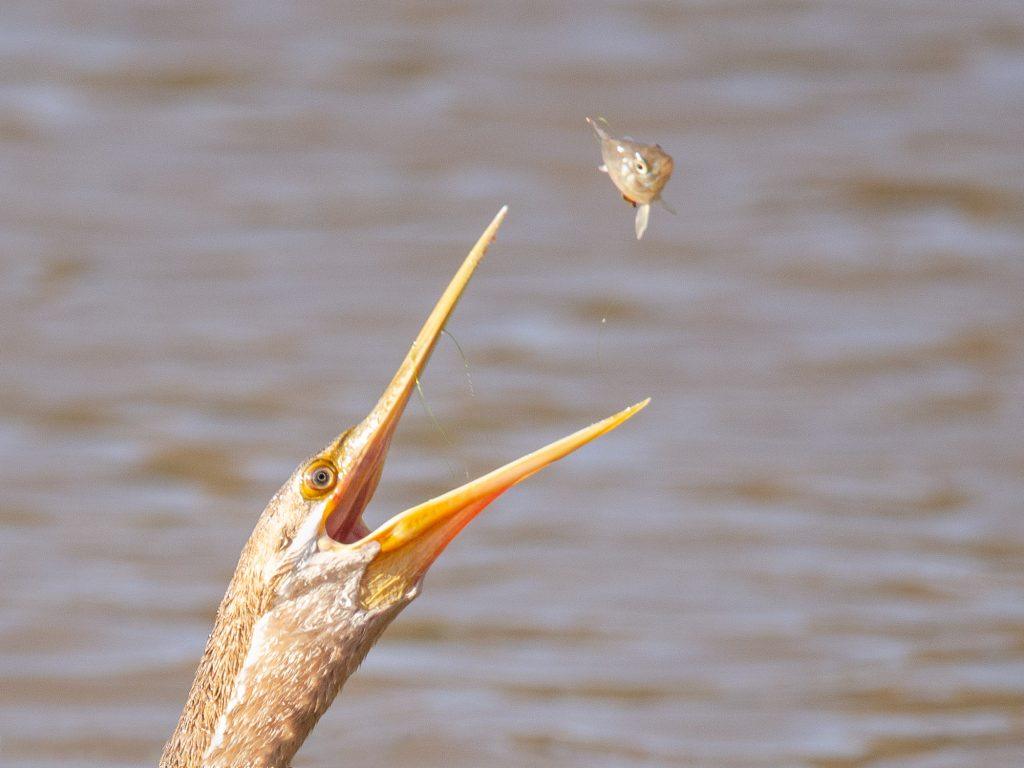
Nikon D600 + Tamron 150-600 G2 @ 600mm | f/6.3 | 1/800s | 800 ISO | Beanbag at bird hide. Tobie Schalkwyk
Friends, please. I think that very few people realize how much damage is done to our aquatic birds by abandoned fishing lines and other man-made objects. It really takes no effort to just clean up properly after each fishing or photography session!
It really takes no effort to just clean up properly after each fishing or photography session!
I’m not sure if the cormorant (above) survived, but I know that it was soon to be severely handicapped by this string of fishing gut.
I salute every bird photographer who has the guts to give relevant people a friendly reminder to clean up as you cross paths with them, or perhaps even clean up these items themselves, as left behind by other inconsiderate homo sapiens!
Be Considerate to Co-Hobbyists
It’s so easy to forget about those around you as you snap away the most beautiful shots from a hard-to-see-the-subject spot. Once you’ve taken a reasonable number of shots, how about moving out of the way so someone else can share the same opportunity?
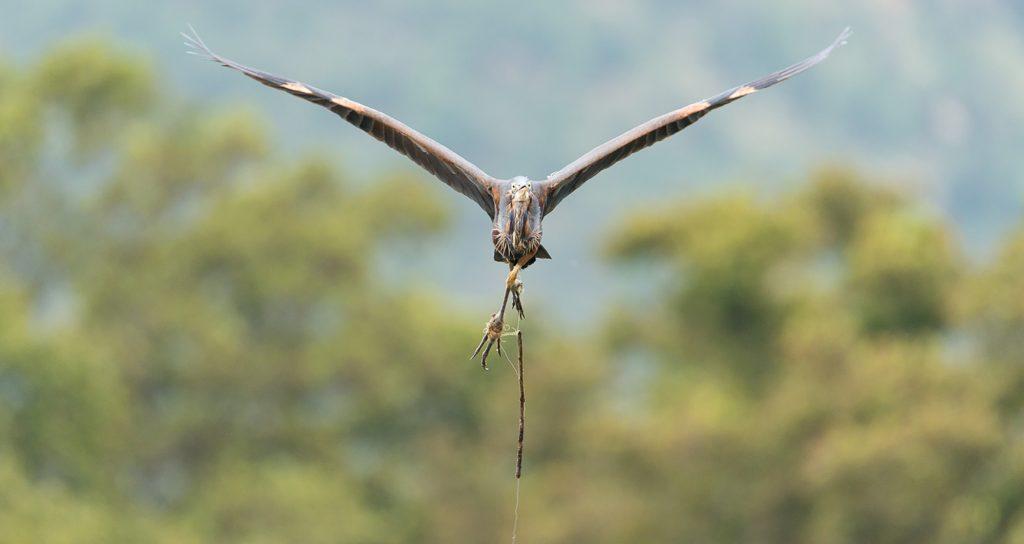
Nikon D600 + Tamron 160-600 G2 @ 600mm | f/6.3 | 1/800s | 640 ISO | Beanbag in bird hide. Tobie Schalkwyk
Conclusion
There are so many ways in which you might offend bird lovers and bird photographers as you enjoy this fantastic hobby, but there are as many ways in which you can build respect and appreciation. Remember, you represent a very special breed of people out there. Let’s never leave a stone unturned to build great relationships and respect. What goes around, comes around. You may find yourself on the receiving end of good or bad as a result of what you have dished out yourself.